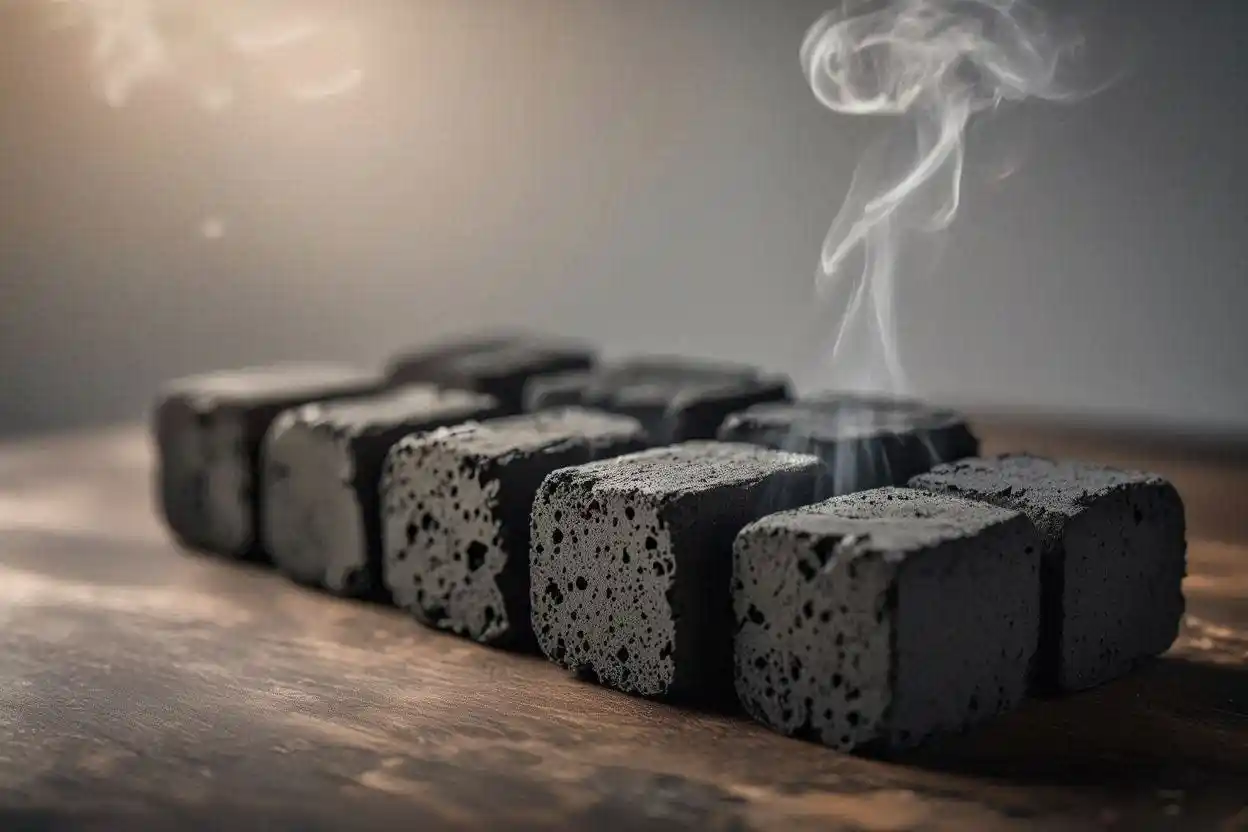
Low Emission Coconut Charcoal for Cleaner Energy
Low emission coconut charcoal is gaining global attention as a cleaner alternative to conventional fuel. Made from high-quality coconut shells, this product undergoes a controlled carbonization process to reduce smoke and harmful emissions. As a result, it delivers a more comfortable and environmentally responsible burning experience.
Both individual users and business owners now prioritize this type of charcoal because of its consistent performance and sustainability benefits. Demand continues to grow across local and export markets.
Understanding Low Emission Coconut Charcoal
This charcoal refers to coconut shell fuel engineered to produce minimal smoke during combustion. Manufacturers carefully control temperature and carbon levels to ensure a more complete burn. Consequently, excessive fumes and unpleasant odors decrease significantly.
Its dense structure also improves durability. The compact form allows heat to last longer and burn more evenly, which enhances overall efficiency.
Benefits of Cleaner Coconut Charcoal
Many users switch to this cleaner coconut charcoal because they immediately notice improved combustion quality. Whether for grilling, cooking, or shisha use, performance remains stable and reliable.
Key advantages include:
-
Less smoke and reduced odor
-
Longer burning duration
-
Minimal ash residue
-
Even and stable heat
-
Lower environmental impact
Because emissions remain controlled, the surrounding air stays cleaner. This feature is especially important for semi-indoor environments such as cafés and restaurants.
Sustainable Charcoal for Businesses
For entrepreneurs, selecting high-quality coconut shell charcoal goes beyond functionality. It also strengthens brand positioning and customer satisfaction. Modern consumers increasingly value businesses that adopt responsible practices.
For example, many shisha lounge operators prefer eco-friendly shisha charcoal to create a more pleasant indoor atmosphere. Reduced smoke helps maintain better air quality and minimizes customer discomfort.
In addition, longer burning performance means fewer replacements during operation. Over time, this efficiency reduces consumption and improves profit margins.
Production Standards and Quality Control
Reliable producers implement controlled carbonization systems to minimize environmental impact during manufacturing. They also reduce moisture content before processing to ensure stronger and more compact charcoal blocks.
After carbonization, the material undergoes screening and precise molding. Consistent size and density are essential, especially for export markets that require strict quality standards.
If you want to explore more insights about coconut-based products and agribusiness opportunities, you can visit bisnistani.com, which provides various informative blog references.
How to Choose the Right Product
Before purchasing, evaluate several important factors to ensure you select the best option.
First, examine the color and texture. High-quality charcoal usually appears deep black and does not crumble easily under light pressure.
Second, observe ash production after burning. A premium product typically leaves thin and minimal residue.
Third, request certification or laboratory test results when buying in bulk. Proper documentation reflects consistent production standards and reliable quality control.
By considering these aspects, you can confidently choose a product that meets both performance expectations and environmental considerations.
Conclusion
Low emission coconut charcoal offers a cleaner, longer-lasting, and more sustainable alternative to traditional fuel. Its reduced smoke output, stable heat, and efficient combustion benefit both individual users and commercial operators.
As environmental awareness continues to grow, choosing responsibly produced coconut shell charcoal becomes a strategic decision. It improves user comfort, supports sustainable business practices, and contributes to better air quality without compromising performance.
