Coconut Charcoal Briquettes With High Calorific Velue
Coconut charcoal briquettes with high calorific velue In the pursuit of sustainable energy sources, coconut charcoal briquettes have gained significant attention due to their high calorific value and eco-friendly characteristics. Derived from coconut shells, these briquettes are an excellent alternative to traditional fuels, offering numerous benefits for both commercial and residential applications. This article delves into the production, advantages, and diverse uses of coconut charcoal briquettes.
Coconut Charcoal Briquettes With High Calorific Velue
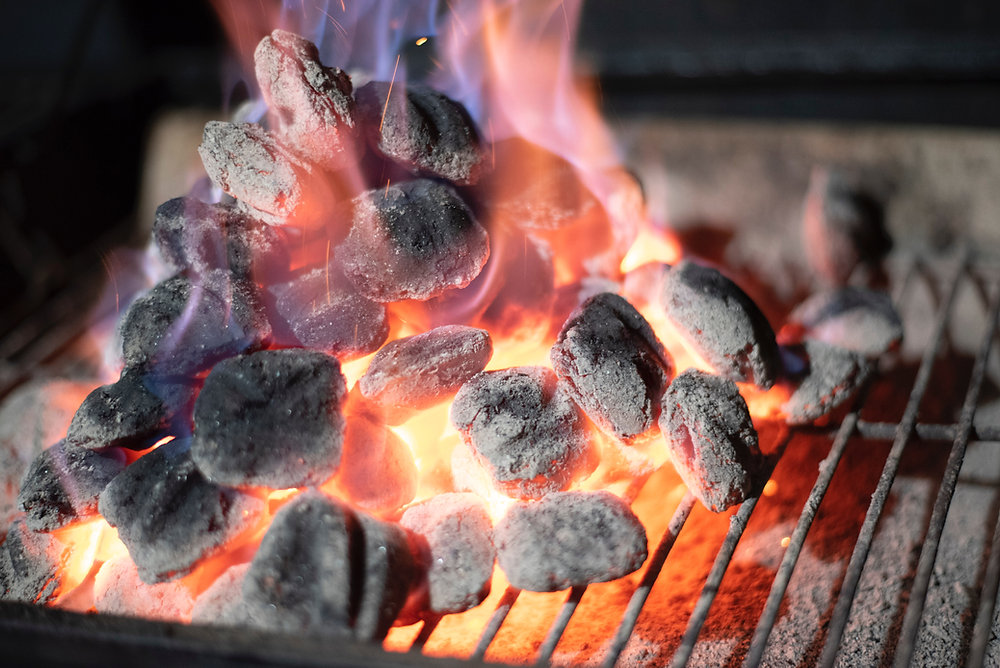
Understanding Coconut Charcoal Briquettes
Coconut charcoal briquettes are solid fuel blocks made from carbonized coconut shells. The production process involves pyrolysis, where the shells are subjected to high temperatures in an oxygen-free environment, resulting in charcoal. This charcoal is then crushed, mixed with a binder, and compressed into briquettes. The resulting product is not only dense and sturdy but also boasts a high calorific value, making it an efficient fuel option.
High Calorific Value
One of the standout features of coconut charcoal briquettes is their impressive calorific value, typically ranging from 4,500 to 7,500 kcal/kg. This means they can produce substantial heat, making them ideal for various heating applications. Their high energy output allows for longer burning times compared to conventional fuels, which translates to reduced fuel consumption and lower operating costs.
Advantages of Coconut Charcoal Briquettes
- Sustainability: Coconut charcoal briquettes are produced from renewable resources. By utilizing waste materials from the coconut industry, they contribute to waste reduction and promote a circular economy.
- Low Emissions: When burned, these briquettes produce minimal smoke and ash, making them an environmentally friendly option. This characteristic is particularly beneficial for indoor cooking and grilling, as it helps maintain air quality.
- Consistent Heat: The high calorific value ensures that coconut charcoal briquettes provide consistent and stable heat. This reliability is crucial for professional kitchens and food processing industries where precise temperature control is required.
- Versatility: Coconut charcoal briquettes can be used in a variety of applications, including barbecuing, grilling, and even industrial heating. Their adaptability makes them suitable for both personal and professional use.
- Long Shelf Life: Unlike traditional wood fuels, coconut charcoal briquettes have a longer shelf life when stored properly. This durability allows users to stock up without worrying about rapid degradation.
Production Process
The production of coconut charcoal briquettes involves several key steps:
- Collection of Raw Materials: The process begins with gathering coconut shells, which are typically considered waste in coconut processing.
- Carbonization: The shells are subjected to pyrolysis, where they are heated in a controlled environment, allowing them to carbonize without combustion. This step is crucial for enhancing the briquettes’ calorific value.
- Crushing and Mixing: Once carbonized, the charcoal is crushed into fine particles. This powder is then mixed with a natural binder, which helps hold the briquettes together during compression.
- Compression: The mixture is then subjected to high pressure to form solid briquettes. This process enhances the density and durability of the final product.
- Drying: Finally, the briquettes are dried to reduce moisture content, ensuring optimal burning performance.
Applications of Coconut Charcoal Briquettes
Coconut charcoal briquettes have a wide range of applications:
- Catering and Restaurants: Many chefs prefer coconut charcoal briquettes for grilling and barbecuing due to their ability to impart a unique flavor to the food while providing consistent heat.
- Household Cooking: In many regions, these briquettes are favored for traditional cooking methods, providing an efficient and clean-burning alternative to wood.
- Industrial Heating: Industries that require substantial heat output, such as ceramic and metal processing, are increasingly turning to coconut charcoal briquettes for their high calorific value and low emissions.
- Aquaculture and Agriculture: Coconut charcoal briquettes can also be used as a heat source in aquaculture and for various agricultural applications, helping to sustain optimal temperatures for crops and livestock.
Coconut charcoal briquettes, with their high calorific value and eco-friendly properties, present a compelling alternative to conventional fuels. Their sustainable production process, low emissions, and versatility make them an attractive option for both personal and professional use. As the demand for renewable energy sources continues to rise, coconut charcoal briquettes are poised to play an essential role in fostering a cleaner and more sustainable future.
