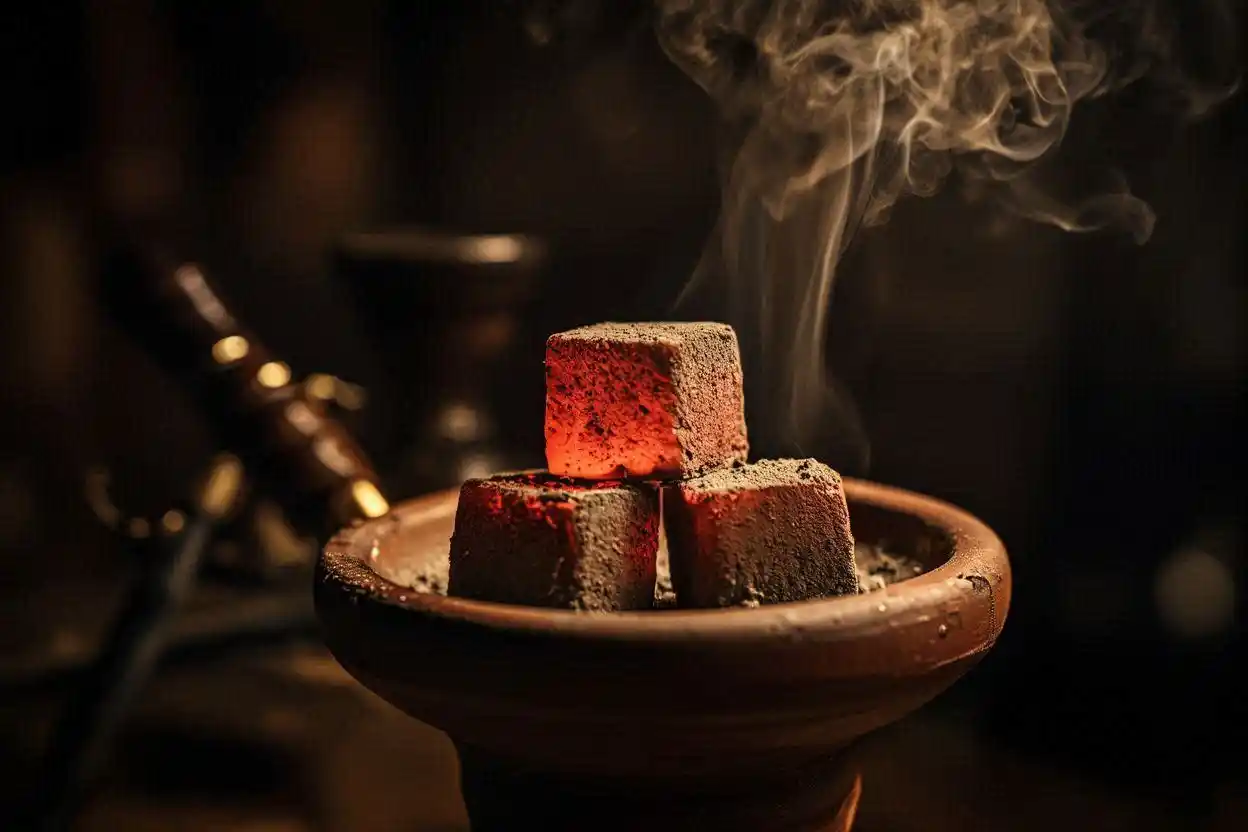
Natural Charcoal Used in Hookah Practical Guide
The type of natural charcoal used in hookah sessions determines the entire experience. In fact, it affects heat consistency, smoke quality, and how well the tobacco flavor comes through. Buyers who understand this connection make smarter sourcing decisions.
As a result, this guide covers what natural hookah charcoal is, why it outperforms alternatives, and how to find the right product.
Why Natural Charcoal Suits Hookah Sessions Best
Natural charcoal burns cleaner than quick-light options that rely on chemical accelerants. It produces steady heat without releasing unwanted odors or altering the taste of shisha tobacco. In particular, hookah lounge operators and enthusiasts who switch to natural charcoal immediately notice the difference in flavor purity.
Furthermore, natural charcoal lasts longer per session. A single piece holds heat for 45 to 60 minutes, reducing the need for frequent replacements. That consistency keeps the session smooth and enjoyable from start to finish.
Types of Natural Charcoal for Hookah
Not all natural charcoal products suit hookah use equally. Knowing the main types helps you select the right one for your specific setup and market.
Coconut shell charcoal leads the market for good reason. It delivers high carbon content, minimal ash, and a neutral burn profile that never interferes with shisha flavor. As a result, most premium hookah lounges and export buyers choose this type above all others.
Bamboo charcoal offers a lighter alternative for buyers who prefer quicker ignition. However, it burns faster and generates slightly more ash than coconut shell varieties.
Hardwood charcoal suits traditional setups in some regions. While it ignites more easily, it produces a stronger aroma that some users find distracting during a hookah session.
Key Quality Markers to Look For
Selecting high-quality natural charcoal for hookah requires attention to specific product characteristics. These markers separate a reliable product from one that disappoints:
- Low ash content below 5% for a clean, residue-free burn throughout the session.
- High fixed carbon above 70%, which drives long-lasting and stable heat output.
- Consistent shape and density — uniform cubes or fingers ensure even heat distribution.
- No chemical additives — purely natural binding agents only, with no accelerants.
- Neutral odor and taste that lets the shisha tobacco flavor shine fully.
Ultimately, suppliers who meet all these standards consistently earn repeat business from serious buyers worldwide.
How to Source Natural Hookah Charcoal Reliably
Finding a dependable natural coconut charcoal for hookah supplier starts with producers who control their own raw material supply. Indonesia stands out as the top sourcing destination, combining abundant coconut shell resources with skilled manufacturing and strong export infrastructure.
Always request product samples before committing to bulk orders. Then run them through actual hookah sessions and measure ignition time, heat duration, ash volume, and flavor neutrality. A trustworthy supplier welcomes this step and backs every shipment with laboratory test reports.
Additionally, verify that the supplier holds relevant certifications for food-safe materials and international export compliance. For broader business insights and sourcing references across various industries, bisnistani.com covers practical topics that many buyers and entrepreneurs find genuinely useful.
Conclusion
Natural charcoal used in hookah sessions plays a bigger role than most buyers initially realize. The right charcoal type elevates flavor, extends session duration, and reduces the hassle of frequent replacements. In particular, coconut shell charcoal leads this category thanks to its clean burn, low ash output, and neutral taste profile. Whether you source for personal use or commercial supply, clear quality criteria give you a strong foundation. Therefore, evaluate suppliers carefully, test samples thoroughly, and prioritize verified quality over low pricing for consistent long-term results.
